

A Tale of Two Wills: Why How You Make It Matters as Much as What It Says
Two Scottish decisions from this year tell almost the same story and end in opposite ways. One Will was reduced, the other stood. What separated them was not luck, it was how each Will had been made.
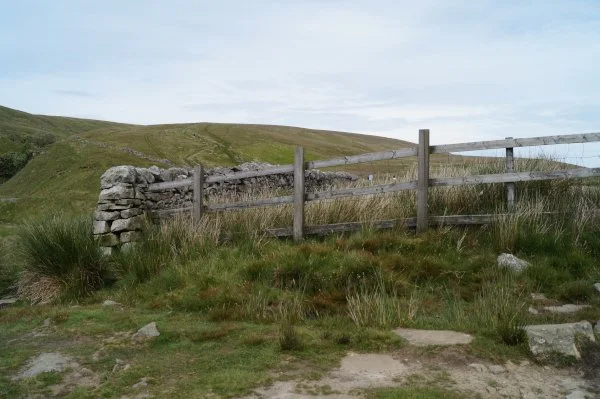
When a Neighbour Crosses the Line: Boundary Disputes in Scotland
Boundary disputes start small and get expensive. Here is how boundaries actually work in Scotland, why the fence on the ground may not be the legal line, and the practical steps that resolve most disagreements without going near a court.

The First Homes Fund Explained: £10,000 Towards a First Home in Argyll
The Scottish Government’s First Homes Fund offers first-time buyers up to £10,000 towards a first home. Here is how the scheme works, who qualifies and why the timing of your application matters more than most people realise.






Festive Greetings
With best wishes for a Merry Christmas and a Happy New Year from
everyone at Stewart & Bennett




Festive Greetings
With best wishes for a Merry Christmas and a Happy New Year from
everyone at Stewart & Bennett

Shona Ritchie raises funds for Pink Ladies Day
Our Accredited Paralegal Shona Ritchie has been busy once more raising funds for a good cause. Her personal experience of routine screening leading to detection and treatment of breast cancer inspired her to have her head shaved in order to raise funds for Pink Ladies Day.

Does Buy-to-Let stack up?
Whilst the Scottish Government has announced a ‘commitment to an effective system of national rent controls and measures to strengthen tenants’ rights’, we don’t yet know what those controls or new rights will be. In their agreement with the Scottish Green Party, the stated position is to make ‘housing in the rented sector … more affordable and more secure.’
This announcement is the latest of a number of regulatory and tax changes affecting the buy-to-let sector in recent years and its attractiveness as an investment.
What if there isn’t a Will?
We are forever reminding clients that it is a very good idea to make a Will. We always stress all the good reasons why clients should make a Will. We also understand that, for whatever reason, many clients just don’t get round to it. However, there is a downside to not having a Will which we rarely focus on and, with that in mind, feel it is appropriate to present the position if you die and there isn’t a Will.
One of the things that immediately comes to mind when we think about this situation is that when there isn’t a Will, family arguments can frequently arise. Some of these are easily resolved, whilst others cause terrible disagreements. At a time of sadness, the last thing anyone needs is resentment amongst the loved ones left behind. If you make a Will, most, if not all, of this can be avoided.

Missives concluded - does that mean I’ve sold my house
The legal aspects of buying and selling a house start off with an exchange of letters between the buyer’s solicitor and the seller’s solicitor. These are usually made up of an Offer, a Qualified (conditional) Acceptance and a Final Acceptance. Or, in some cases a number of Qualified Acceptances issued sequentially by each side until a Final Acceptance is issued. This exchange of letters is referred to as the Missives.
This is the process that leads to the creation of a contract to buy and sell a house. The aim is to reach conclusion of missives in order that a binding contract for purchase and sale exists between the buyer and the seller.

What’s the right age to draw up a Power of Attorney?
You don’t need a Power of Attorney till you’re “old” is a comment we hear frequently, but is that actually true?
Statistically speaking, there is a greater risk of becoming incapacitated as you get older. However, unexpected illnesses and accidents happen. That might mean that if you are incapacitated, your family might find it extremely difficult to manage. It might involve having to have a guardian appointed. This will undoubtedly be stressful, expensive and time consuming.
You see, a Power of Attorney can be a very useful tool to use when unexpected things happen to you. Perhaps it’s a bit like an insurance policy – it’s there when you need it!