
Owning a Piece of History: Buying and Maintaining a Listed Building in Scotland
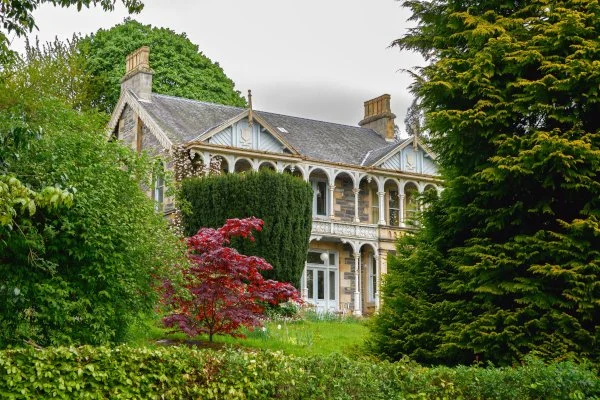
Dunoon and the Cowal peninsula are full of handsome old buildings. The Victorian villas built when the Clyde steamers brought holidaymakers "doon the watter", the sandstone terraces along the shorefront, old manses, churches and farm steadings all give the area its character. Even Dunoon Pier is Category A listed, recognised by Historic Environment Scotland as the best surviving example of a timber ferry pier in the country.
Many of these properties are listed, and buyers are sometimes surprised by what that means. Listing is not just a badge of distinction. It is a legal regime, and the obligations pass to whoever holds the keys. If you are thinking of buying a listed building, or already own one, here is what you need to know.
What is a listed building?
A listed building is a building or structure that Historic Environment Scotland has designated for its special architectural or historic interest. There are around 47,000 in Scotland, placed in one of three categories:
Category A: buildings of national or international importance.
Category B: buildings of regional, or more than local, importance.
Category C: buildings of local importance, and simpler traditional buildings that group well with others.
The category reflects a building's relative importance, but it does not change the level of legal protection. A Category C cottage is protected in exactly the same way as a Category A mansion. The category does, however, affect how proposals are assessed and whether Historic Environment Scotland needs to be consulted.
Your title deeds will not tell you whether a property is listed. You can check, and read the listing record, on the Historic Environment Scotland portal.
It covers more than you might think
Unless the listing record specifically excludes something, listing covers the whole building, inside and out. Cornices, fireplaces, panelled doors, staircases, window shutters and plasterwork are all protected, as are later extensions and anything fixed to the building.
It can also reach structures in the grounds that are not attached to the building, provided they have been there since before 1 July 1948. That can include garden walls, gate piers, railings, coach houses and outbuildings. Where a boundary wall is involved, our article on boundary disputes in Scotland may also be helpful.
What needs consent?
You need listed building consent to demolish, alter or extend a listed building, inside or out, where the work would affect its character. In most of Argyll, applications go to Argyll and Bute Council. Parts of Cowal, including Kilmun, Lochgoilhead and Arrochar, fall within Loch Lomond and The Trossachs National Park, where the National Park Authority deals with applications instead.
A few things regularly catch people out:
It is a separate consent. Listed building consent is distinct from planning permission and from a building warrant. One project can need all three, and having one does not mean you have the others.
It takes time. Applications are advertised for 21 days and, depending on the building and the works, Historic Environment Scotland may need to be consulted. Allow months rather than weeks.
The usual flashpoints. Replacement windows and doors, solar panels, rooflights, external insulation, removing internal walls or fireplaces, and using cement where lime mortar belongs.
Applying for listed building consent is free. Like-for-like repairs using matching materials do not usually need consent, but the line between a repair and an alteration is not always where an owner expects it to be. The safest advice is simple: speak to the planning authority before you start.
Unauthorised works: a problem you can inherit
Carrying out unauthorised works to a listed building is a criminal offence. On summary conviction, the penalty can be up to six months' imprisonment, a fine of up to £50,000, or both. On conviction on indictment, it can be up to two years' imprisonment, an unlimited fine, or both.
Crucially, there is no time limit on enforcement against unauthorised works to a listed building. An ordinary planning breach can become immune from action after a number of years, but unauthorised works to a listed building never become lawful simply because time has passed. A conservatory added without consent in the 1990s can still be the subject of an enforcement notice today, and it is the current owner who has to deal with it. Failing to comply with a notice is a further offence, and the council can carry out the work itself and recover its costs.
Councils also have powers to protect listed buildings that are being neglected. They can serve a repairs notice setting out the work needed to preserve the building and, if that work is not carried out, can ultimately move to compulsory purchase.
Why the usual checks may not be enough
When you buy any property in Scotland, your solicitor examines the title and obtains a property enquiry certificate from the council, and the seller provides a Home Report. With a listed building, each of these has its limits:
A property enquiry certificate usually covers only a limited period of planning history, so it may say nothing about alterations made decades ago.
The property questionnaire in the Home Report asks the seller about listing and alterations, but the answers reflect what they know. Someone who bought in 2005 may have no idea what was done in 1990.
The single survey is a general condition report. For a traditional stone building, a more detailed survey by someone with conservation experience is money well spent.
That is why, when you buy a listed property, we raise specific enquiries about every visible alteration, ask to see the relevant consents and evidence that any conditions were met, and build appropriate protections into the missives. Where something cannot be evidenced, the options may include a retrospective application, an indemnity policy, a retention from the price or a price reduction. Our Buying & Selling Guide explains the wider process.
The costs that are easy to underestimate
VAT. Repairs, maintenance and alterations to a listed home are charged VAT at the standard rate of 20%. There is no special relief for private owners.
Materials and trades. Lime mortar, natural slate, sash window restoration and conservation-accredited professionals usually cost more and can involve long waiting lists.
Grants. Funding does exist, but most Historic Environment Scotland grants are aimed at community and not-for-profit projects, so private owners should not build one into their budget.
Insurance. Rebuilding a listed building with traditional materials can cost well above its market value, and repairs often take longer. A specialist policy is usually the sensible choice.
So should you still buy one?
Absolutely, if it is the right property for you. Scotland's historic buildings survive because private owners care for them, and Cowal is all the better for it. The key is to go in with your eyes open and have the right questions asked before missives conclude, not after.
How Stewart & Bennett can help
Because we are both solicitors and estate agents, we see listed properties from both sides: the title and consent history, and the practical realities of marketing and buying them. Our Residential Property team can check the consent history, raise the right enquiries and tell you plainly what is and is not covered. If you are planning to sell a listed property, gathering the paperwork early can help avoid delays later, and our property sales team will be happy to advise.
Call Legal Services on 01369 702885 or Property Sales on 01369 704954, or contact us online.
This article is provided for general information only and does not constitute legal advice. The information is accurate to the best of our knowledge at the date of publication, but laws and guidance change over time. If you need advice about your own circumstances, please contact us.